A sector-wide, multi-stakeholder platform uniting India's feed producers, fishers, NGOs, and regulators — driving environmental and social improvements across the nation's marine ingredient value chain.
Aligning Karnataka, Kerala, and Gujarat under a single Fishery Improvement Project that meets MarinTrust entry criteria.
Aligning with the global ecosystem
India ranks among the world's top producers of fishmeal and fish oil — yet adoption of global certifications remains low. IMIRT is a precompetitive, multi-stakeholder platform that brings the entire value chain together to close that gap, working to improve the sustainability and availability of responsibly sourced marine ingredients.
A multi-stakeholder body uniting producers, fishers, NGOs, and regulators.
Learn more →A single value-chain contact point driving fishery improvements nationwide.
Learn more →Users of marine ingredients committed to collaborating on improvements.
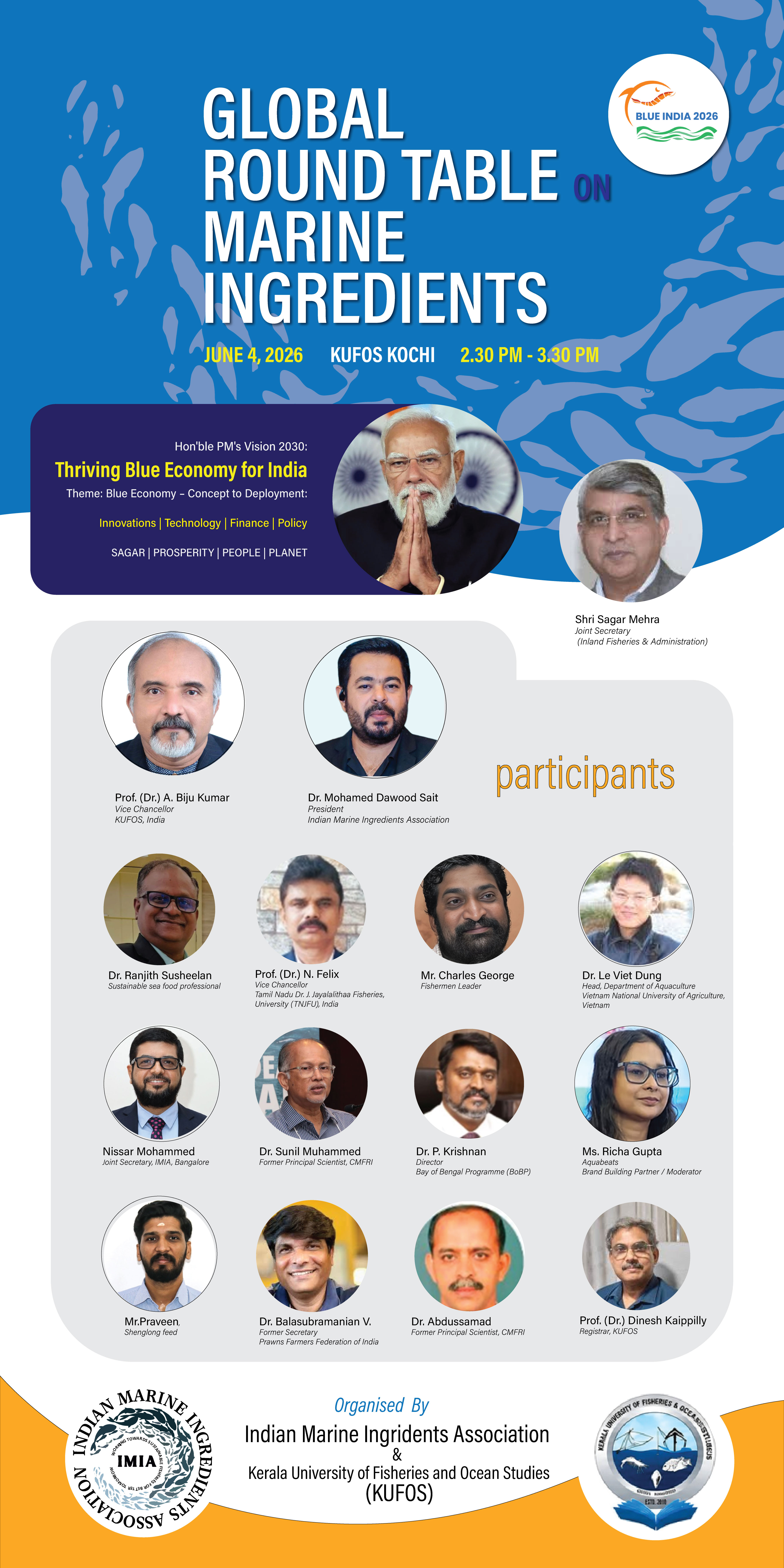
Learn more →Our flagship conference convening the marine ingredient value chain.
Register →Five strategic objectives that achieve national alignment while securing international market access. Click each to explore.
Replacing isolated local projects with a single, unified national Fishery Improvement Project.
Guiding a comprehensive field assessment across India throughout 2026 and 2027.
Turning processing waste into high-value products through institutional partnership.
Closing traceability gaps and cracking down on illegal capacity expansion.
Ensuring developing-nation realities shape global resource-management rules.
A unified marine ingredient industry unlocks value that fragmented players cannot reach alone.
Meet the certification thresholds international buyers demand — opening premium export channels.
Stay ahead of tightening global sustainability regulations rather than scrambling to react.
Field data representing small-scale fishers ensures growth never costs coastal communities.
Standardised national data builds genuine, defensible sustainability claims.
Turn byproducts into nutraceuticals and protein powders — revenue from discarded material.
One collective seat at the global table — India shapes the rules, not just follows them.
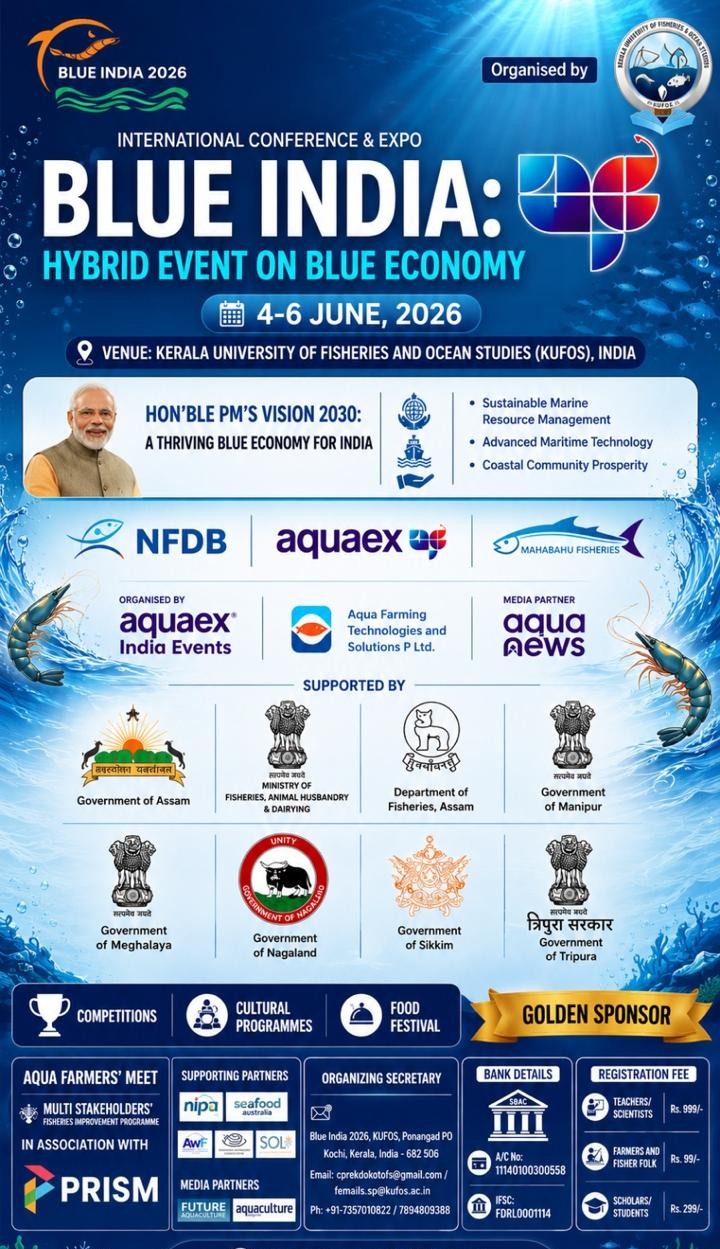
Our flagship conference brings together producers, fishers, regulators, scientists, and global partners for two days of precompetitive collaboration.
[Concessional rates available for students, fishers & academics]
India's case for adaptive, sovereignty-respecting fisheries management is grounded in marine science. Small pelagic stocks behave fundamentally differently from demersal species, and effective management must reflect that.
By aligning our advocacy with peer-reviewed research and FAO best practice, IMIRT ensures policy proposals are both internationally credible and locally appropriate — a balance global buyers and Indian fishers can both stand behind.
Members include users of marine ingredients and stakeholders committed to fishery improvements. [Replace with member logos in Wix.]
It is a national strategy to replace fragmented, isolated local projects with a single, unified Fishery Improvement Project. By aligning major production hubs — Karnataka, Kerala, and Gujarat — under one standardised data system, India can prevent corporate greenwashing and accelerate entry into international programmes like the MarinTrust Improver Programme.
The platform unites users of marine ingredients and other stakeholders — feed producers, livestock and pet-feed industries, NGOs, processors, and local government bodies — all committed to collaborating on fisheries improvements and responsible sourcing. It is a precompetitive space designed for collective progress.
It is a comprehensive socio-economic field assessment scheduled across India during 2026 and 2027. Its purpose is to map local realities, ensure data accurately represents traditional small-scale fishers rather than only corporate fleets, and identify market opportunities that address social and economic vulnerabilities without compromising smallholder livelihoods.
[Add your registration process here.] Use the registration form in the contact section, or reach out to the secretariat directly. Concessional rates are available for students, fishers, and academics — full details will be confirmed closer to the event.
We use the precompetitive supply-chain platform to crack down on illegal capacity expansions and close traceability gaps. Working with bodies like MPEDA, we promote transparent catch documentation that follows product from landing sites directly to feed mills.
Join the Round Table, register for the conference, or partner with us on a fishery improvement project. Your voice belongs at this table.
Tell us about yourself and we'll respond within two working days.